
Get Drainage Culvert Installation in Asheville, NC
Drainage culvert installation services help Asheville property owners prevent flooding, manage water runoff, and improve drainage for driveways, yards, and construction projects with experienced local contractors.
Property owners in Asheville, NC, considering drainage culvert installation understand the importance of effective water management for maintaining property integrity and preventing flooding. Properly installed culverts help direct runoff away from foundations, driveways, and landscaping, reducing the risk of erosion and water damage. Whether planning a new project or upgrading existing drainage systems, exploring local contractor options ensures access to experienced service providers familiar with the area's specific needs and conditions.
As you evaluate your options, it’s helpful to compare local contractors who specialize in drainage culvert installation. These professionals can provide guidance on planning and implementing solutions tailored to your property’s layout and drainage requirements. Continuing to explore your choices can lead to connecting with trusted service providers capable of handling the project efficiently and effectively.
- Stormwater Management - when heavy rains cause water to pool or flood around residential or commercial properties.
- Erosion Control - in areas where soil erosion threatens landscaping or foundation stability, especially on sloped properties.
- New Construction Projects - during the development of new buildings or infrastructure that require proper drainage systems.
- Property Renovations - when upgrading or expanding existing structures that impact drainage patterns.
- Flood Prevention - in neighborhoods prone to frequent flooding, to help divert excess water away from structures.
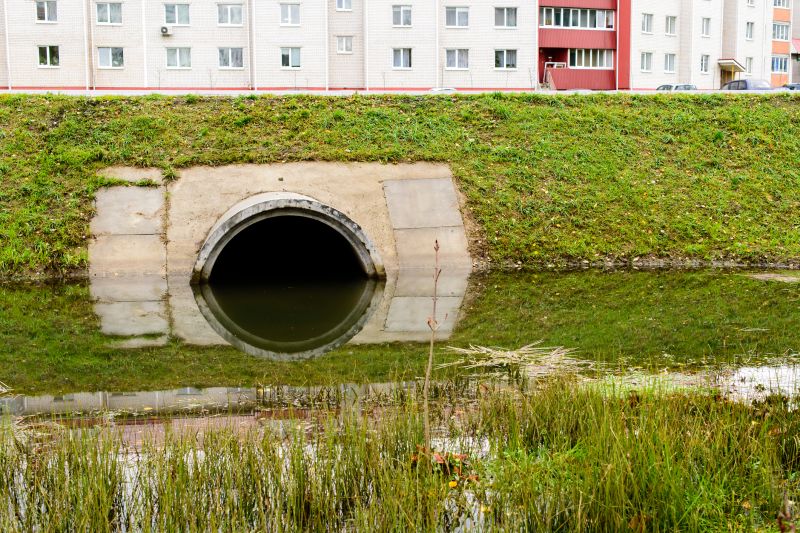
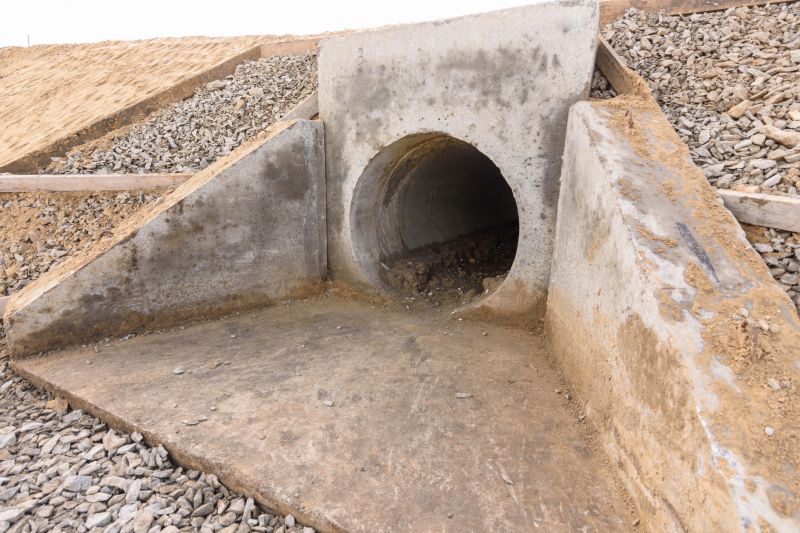
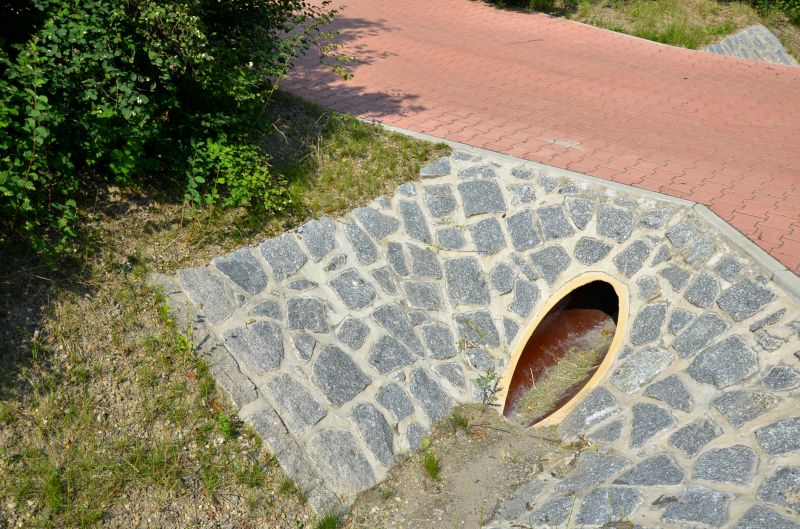
Drainage culvert installation involves setting up a structured channel, typically made from concrete, metal, or plastic, to direct water away from a property. This service is essential for managing excess surface water from heavy rain, melting snow, or irrigation runoff. Properly installed culverts help ensure that water flows smoothly beneath driveways, roads, or landscaped areas, preventing it from pooling or causing erosion. Experienced contractors assess the property’s terrain and water flow patterns to design and install culverts that effectively channel water away, reducing the risk of water-related damage.
This service is particularly valuable for addressing common drainage problems such as flooding, soil erosion, and water pooling around foundations. When excess water is not properly directed, it can lead to basement leaks, landscape damage, or even structural issues over time. Installing a drainage culvert provides a reliable solution by creating a controlled pathway for water to exit the property, thereby protecting the landscape and foundation from water intrusion. Homeowners experiencing persistent water accumulation or soggy areas in their yard often find culvert installation to be a practical solution to these issues.
Properties that typically benefit from drainage culvert installation include residential homes with sloped yards, properties located in low-lying areas, or those with poorly draining soil. Rural properties with large acreage may also require culverts to manage water flow across fields or driveways. Commercial properties, especially those with extensive paved surfaces or parking lots, often need culverts to prevent flooding and maintain accessibility during heavy rains. Any property experiencing water runoff problems or erosion can consider this service as a way to improve drainage and protect its value.
Local contractors specializing in drainage culvert installation offer tailored solutions for a variety of property types. They evaluate the specific drainage needs and terrain to recommend the most effective culvert design and placement. By working with experienced service providers, homeowners and property managers can ensure that water is directed efficiently away from structures, landscaping, and pathways. Proper installation not only alleviates existing drainage problems but also helps prevent future issues caused by heavy rainfall or changing weather patterns.
The overview below groups typical Drainage Culvert Installation projects into broad ranges so you can see how smaller, mid-sized, and larger jobs often compare in Asheville, NC.
In many markets, a large share of routine jobs stays in the lower and middle ranges, while only a smaller percentage of projects moves into the highest bands when the work is more complex or site conditions are harder than average.
Smaller Repairs - Typical costs for minor drainage culvert repairs in Asheville and surrounding areas range from $250-$600. Many routine fixes fall within this range, especially for simple patching or minor adjustments. Larger, more complex repairs can exceed this, but are less common.
Standard Installation - Installing a new drainage culvert usually costs between $1,200 and $3,500. Most projects in this category are straightforward installations, with costs varying based on length and site conditions. Larger installations or those requiring extensive excavation can push above $4,000.
Full Replacement - Replacing an existing culvert entirely often falls within $4,000-$8,000. Many homeowners and property managers encounter costs in this range for complete overhauls, while more complex or longer projects can reach $10,000 or higher.
Large or Complex Projects - Major drainage culvert projects, such as those involving significant site modifications or heavy-duty materials, can cost $10,000 and above. These projects are less frequent and typically involve extensive planning and construction by local contractors.
Actual totals will depend on details like access to the work area, the scope of the project, and the materials selected, so use these as general starting points rather than exact figures.
Stormwater Drainage Projects - local contractors often handle stormwater management systems that require similar planning, grading, and excavation skills as drainage culvert installations.
Roadway Drainage Systems - installing drainage for roads and highways involves similar expertise in trenching, pipe laying, and site assessment as culvert work.
Retaining Wall Drainage Solutions - these projects require understanding of subsurface water flow and proper drainage integration, paralleling culvert installation techniques.
Landscape Drainage Improvements - landscape drainage projects involve grading and underground piping that utilize comparable tools and planning methods used in culvert setups.
Bridge and Underpass Drainage - designing and installing drainage for bridges and underpasses demands similar skills in water flow management and underground piping.
Erosion Control Projects - managing erosion often involves installing drainage channels and culverts to redirect water, requiring comparable expertise and planning skills.
When comparing contractors for drainage culvert installation, it’s important to consider their experience with similar projects. Homeowners should look for service providers who have a proven track record of handling culvert installations in environments comparable to their own, such as properties in Asheville, NC, or nearby areas. An experienced contractor will understand the unique challenges that can come with local soil conditions, drainage patterns, and regulatory considerations, which can contribute to a smoother project process and more reliable results.
Clear, written expectations are essential when evaluating potential contractors. Homeowners should seek professionals who can provide detailed descriptions of their scope of work, materials, and methods in writing. This clarity helps ensure that everyone is aligned on project goals and reduces the likelihood of misunderstandings. Additionally, reputable service providers often have references from past clients that can be contacted to verify their experience and professionalism, offering insight into how similar projects were completed and whether the contractor maintained clear communication throughout.
Effective communication is a key factor in choosing a drainage culvert installer. Homeowners should prioritize contractors who are responsive, transparent, and willing to answer questions thoroughly. Good communication can help clarify project details, address concerns promptly, and foster a collaborative working relationship. It’s also helpful to confirm that the contractor understands the homeowner’s specific needs and site conditions, ensuring that the selected service provider is well-equipped to handle the job efficiently. Overall, the goal is to find local contractors who demonstrate experience, provide clear expectations, and communicate well-factors that contribute to a successful drainage culvert installation.
Property owners in Asheville, NC use Drainage Culvert Installation services for practical projects around their homes and businesses. This guide focuses on everyday jobs and straightforward project options.
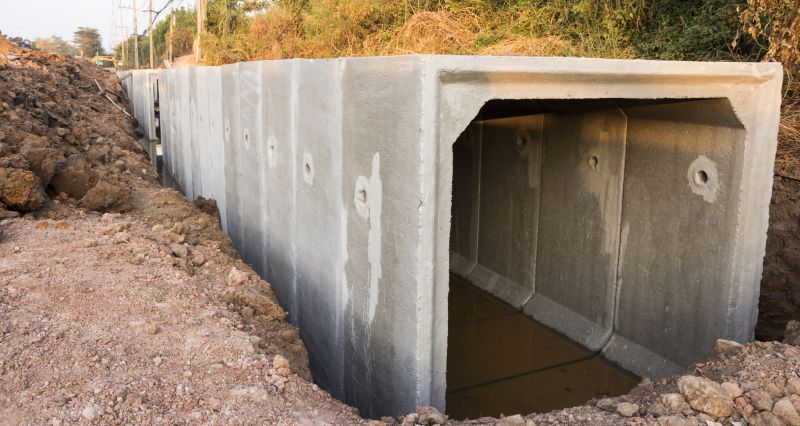
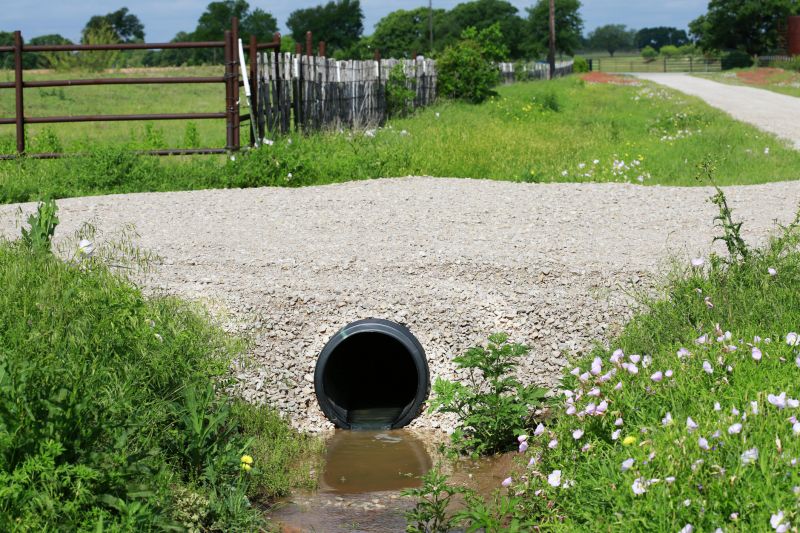
Drainage culvert installation is often needed when property owners in Asheville, NC, face issues with standing water or poor drainage during heavy rains. Whether a homeowner notices water pooling along driveways or near foundations, or a landowner is preparing a property for construction, local contractors can provide solutions to redirect water flow effectively. Properly installed culverts help prevent erosion, protect landscaping, and maintain the integrity of the property’s structure, especially in areas prone to frequent or intense rainfall.
Property owners might also seek drainage culvert services to address issues caused by nearby streams or uneven terrain that leads to water buildup. In Asheville’s hilly landscape, managing water runoff becomes essential to avoid flooding or damage to outdoor spaces. Local service providers can evaluate specific site conditions and recommend culvert installations that improve drainage, ensuring the property remains safe and functional during Asheville’s rainy seasons.
What is involved in installing a drainage culvert? Local contractors typically assess the site, design an appropriate culvert system, and handle excavation, pipe placement, and backfilling to ensure proper water flow and stability.
How do I know if a drainage culvert is right for my property? Service providers can evaluate your land’s drainage needs, considering factors like slope, water flow, and existing infrastructure to determine if a culvert is suitable.
What types of materials are used for drainage culverts? Common materials include corrugated metal, plastic, and concrete pipes, selected based on durability, soil conditions, and intended use.
Are there any regulations or permits needed for culvert installation? Local contractors are familiar with area requirements and can advise on necessary permits or approvals before beginning work.
What maintenance is required after a drainage culvert is installed? Typically, regular inspections and clearing of debris help maintain proper water flow and prevent blockages or damage over time.
Drainage Culvert Installation - Property owners can improve water flow around their homes to prevent flooding during heavy rainfalls.
Drainage Culvert Installation - Installing culverts under driveways or walkways helps maintain access and prevents erosion.
Drainage Culvert Installation - Clearing and replacing existing culverts can reduce water buildup in low-lying areas of a property.
Drainage Culvert Installation - Properly installed culverts can direct runoff away from foundations, minimizing potential water damage.
If you are thinking about Drainage Culvert Installation for a property in Asheville, NC, this guide is meant to help you understand the work, the typical project types, and how different options might fit your plans.
When you are ready, you can use the quote form on this page to share a few details about your project. From there, local pros can review the basics and respond with options that match what you have in mind.