
Get Culvert Installation in Asheville, NC
Culvert installation services for Asheville property owners address drainage problems, facilitate driveway crossings, and support construction projects by providing durable underground pipe solutions.
Property owners in Asheville, NC, who are planning drainage improvements or preparing for future construction projects often consider culvert installation as a practical solution. Properly installed culverts help manage water flow, prevent erosion, and protect landscapes from flooding, making them an essential component for maintaining the integrity of driveways, roads, and property boundaries. Exploring options for culvert installation involves assessing local contractors who understand the unique terrain and drainage needs of the Asheville area, ensuring the work is suited to the local environment.
As you evaluate options for culvert installation services, it's helpful to compare local contractors experienced in handling similar projects in Asheville and nearby communities. Connecting with qualified service providers can support your planning process, whether you're addressing existing drainage issues or preparing for future development. Continue exploring to find the right professionals who can assist with your project and help ensure it meets your property’s specific requirements.
- Flood Prevention - homeowners in Asheville, NC neighborhoods may need culvert installation to manage heavy rain runoff.
- Property Drainage - property owners with uneven land or water pooling issues might require culverts to improve drainage.
- Roadway Construction - local contractors working on new roads or driveways often install culverts to ensure proper water flow.
- Stream Crossing - landowners near creeks or streams may need culverts to create reliable crossings for access points.
- Erosion Control - sites experiencing soil erosion from water runoff can benefit from culvert installation to stabilize the area.
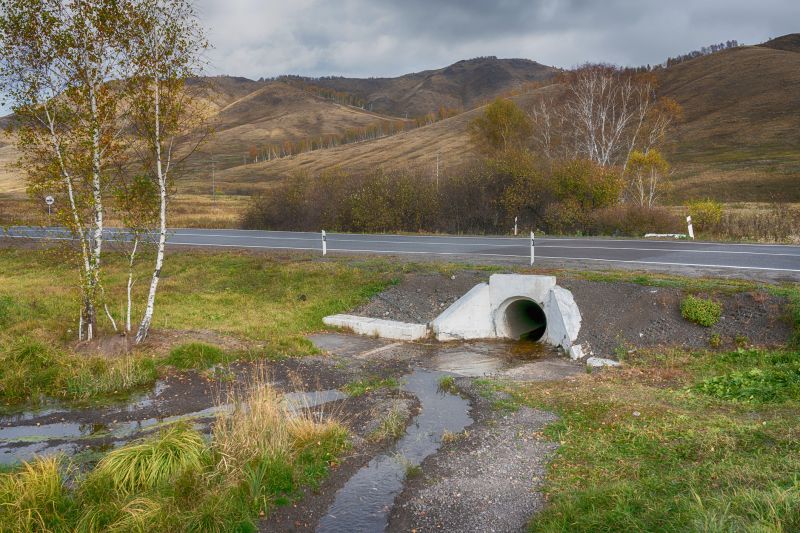
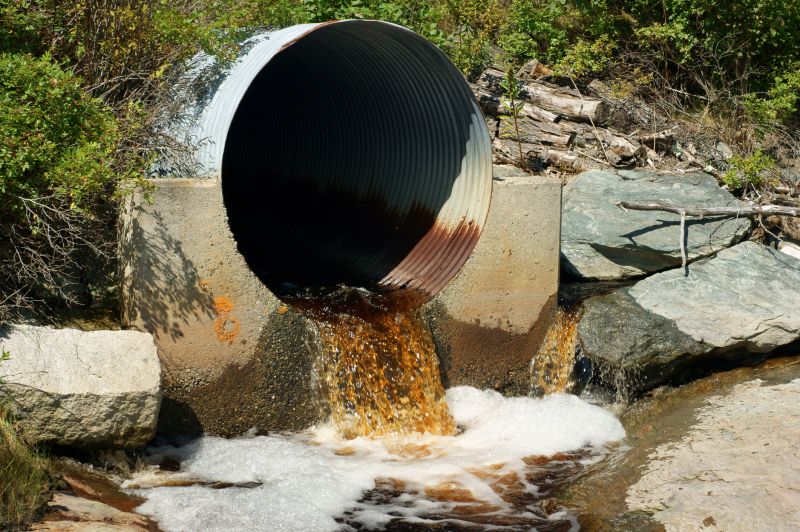
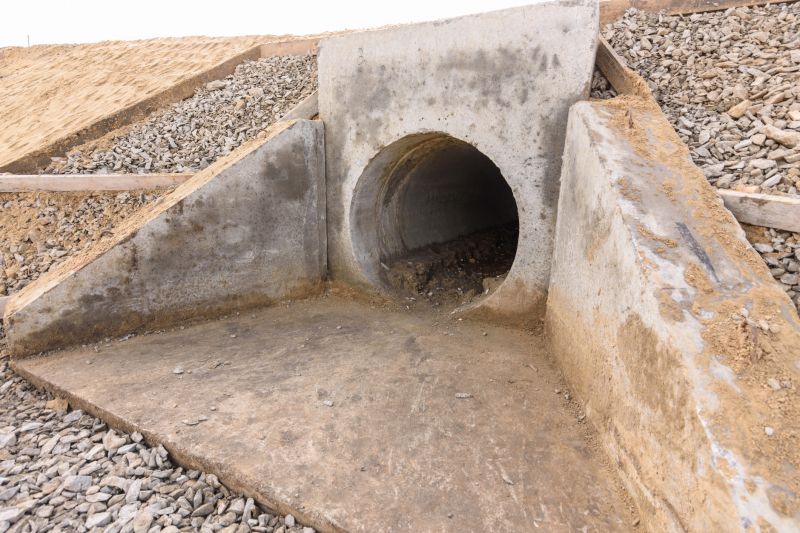
Culvert installation services involve placing durable structures beneath roadways, driveways, or pathways to allow water to flow safely and efficiently underneath. These structures are typically made from materials like corrugated metal, concrete, or plastic, and are carefully embedded into the terrain to ensure stability and proper drainage. Proper installation requires precise excavation, placement, and sealing to prevent leaks and ensure the culvert functions correctly over time. Local contractors who specialize in culvert work can assess the specific needs of a property and recommend the most suitable type and size of culvert for the job.
Many common problems can be addressed with professional culvert installation. Properties that experience frequent pooling or flooding during heavy rains often benefit from improved drainage solutions. Poorly managed water runoff can lead to erosion, damage to driveways, or even basement flooding. Installing a culvert helps divert water away from structures and low-lying areas, reducing these risks. Additionally, properties with existing culverts that have become blocked, damaged, or undersized may need repairs or replacement to restore proper water flow and prevent further issues.
Culvert installation services are frequently used on residential properties, especially those with driveways that cross natural water channels or low-lying areas prone to flooding. Rural homes, farms, and properties with extensive landscaping often rely on culverts to manage water flow effectively. Commercial properties, such as parking lots or access roads, also utilize culverts to maintain safe, dry access routes and prevent water accumulation that could compromise infrastructure. In all cases, a professional assessment ensures the right type of culvert is chosen and installed correctly to meet the property’s specific drainage needs.
Choosing to work with experienced local contractors ensures that culvert installation is handled efficiently and correctly. Properly installed culverts help prevent water damage, erosion, and foundation problems, safeguarding the property's long-term stability. Whether addressing existing drainage issues or planning for future water management, property owners can find qualified service providers who can evaluate their site, recommend appropriate solutions, and carry out the installation with attention to detail. Contacting local pros is a practical step toward ensuring effective water management and protecting the property’s value and safety.
The overview below groups typical Culvert Installation projects into broad ranges so you can see how smaller, mid-sized, and larger jobs often compare in Asheville, NC.
In many markets, a large share of routine jobs stays in the lower and middle ranges, while only a smaller percentage of projects moves into the highest bands when the work is more complex or site conditions are harder than average.
Smaller Repairs - Typical costs for minor culvert repairs or replacements in Asheville and nearby areas range from $250 to $600. Many routine jobs fall within this range, especially for straightforward fixes of existing culverts. Larger or more complex repairs can exceed this range but are less common.
Mid-Size Installations - Installing or replacing culverts for medium-sized projects usually costs between $1,000 and $3,000. Many local contractors handle projects in this range, which covers most standard installations on residential properties. More extensive work may push costs higher but remains less frequent.
Full Culvert Replacement - Complete replacement of a culvert can typically range from $3,500 to $7,000 depending on the size and site conditions. Larger, more involved projects, such as crossing larger streams or dealing with difficult terrain, can reach $10,000+ but are less common.
Large-Scale or Complex Projects - For complex or extensive culvert installations, costs can exceed $10,000, especially when significant excavation, permits, or specialized equipment are required. Such projects are less frequent and usually involve substantial site work or challenging access conditions.
Actual totals will depend on details like access to the work area, the scope of the project, and the materials selected, so use these as general starting points rather than exact figures.
Stream Crossing Construction - this involves installing structures similar to culverts to allow water to pass beneath roads or pathways, requiring planning and excavation skills.
Drainage System Installation - setting up effective drainage solutions often involves installing underground pipes and channels, sharing techniques used in culvert placement.
Roadway Culvert Repair - repairing or replacing existing culverts in roadways requires similar assessment, planning, and installation methods as new culvert projects.
Waterway Bridge Construction - building small bridges or crossings over streams involves structural planning and excavation comparable to culvert installation.
Erosion Control Projects - implementing erosion prevention measures often includes installing structures like culverts to manage water flow and protect land.
Stormwater Management Systems - designing and installing systems to control runoff involves skills in underground piping and structural planning akin to culvert work.
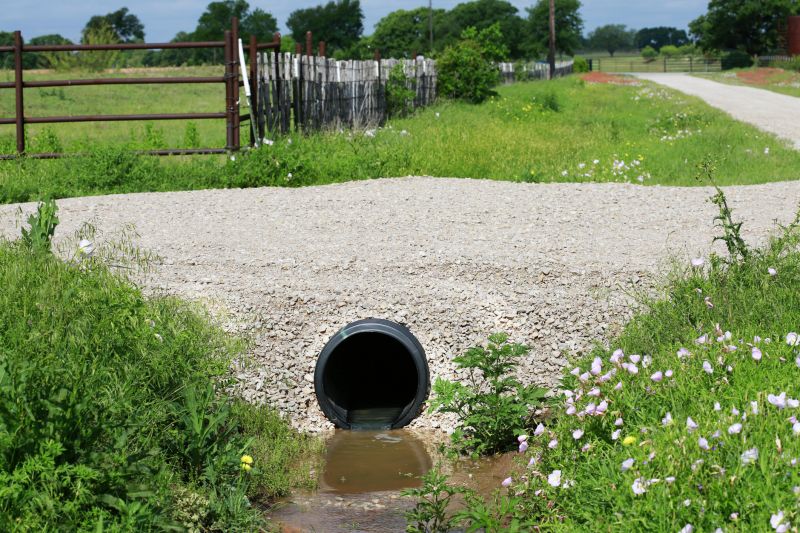
When evaluating potential contractors for culvert installation, it’s important to consider their experience with similar projects in the Asheville area. Homeowners should look for service providers who have a proven track record of handling culvert installations or related drainage work. This can help ensure that the contractor understands the specific requirements of local soil conditions, weather patterns, and municipal regulations, which can vary from one region to another. Asking for examples of past projects or references that demonstrate their familiarity with similar work can provide valuable insight into their capabilities and reliability.
Clear, written expectations are essential when comparing local contractors for culvert installation. Homeowners should seek detailed proposals that outline the scope of work, materials to be used, and any relevant project milestones. Having this information in writing helps prevent misunderstandings and provides a basis for comparing different service providers objectively. It’s also beneficial to clarify the contractor’s approach to site preparation, drainage considerations, and any potential challenges that might arise during installation, ensuring that both parties have aligned expectations from the outset.
Good communication and reputable references are key factors in selecting the right local pros for culvert installation. Service providers who are responsive and transparent in their communication can make the process smoother and more predictable. Homeowners should inquire about references or reviews from previous clients to gauge the contractor’s professionalism and quality of work. Reliable contractors often maintain open lines of communication, promptly addressing questions or concerns and providing updates throughout the project. While the site introduces homeowners to local options, it is the responsibility of the homeowner to verify these qualities directly with the service providers to find the best match for their needs.
Property owners in Asheville, NC use Culvert Installation services for practical projects around their homes and businesses. This guide focuses on everyday jobs and straightforward project options.
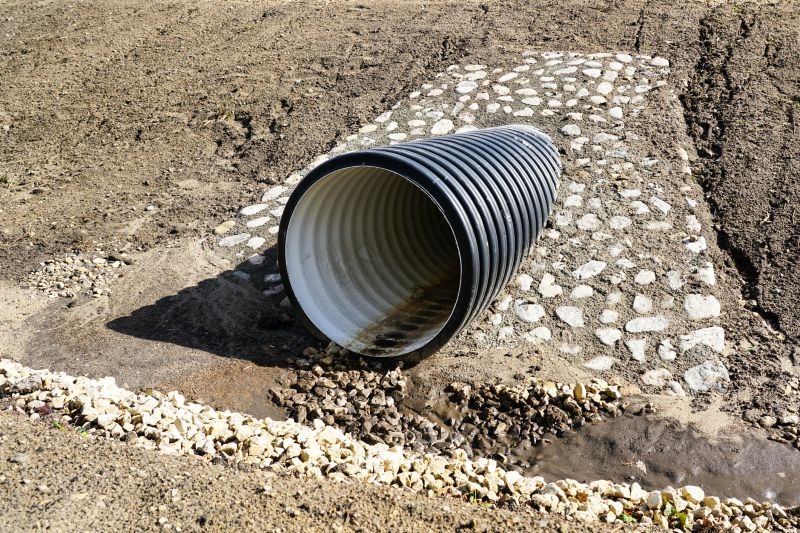
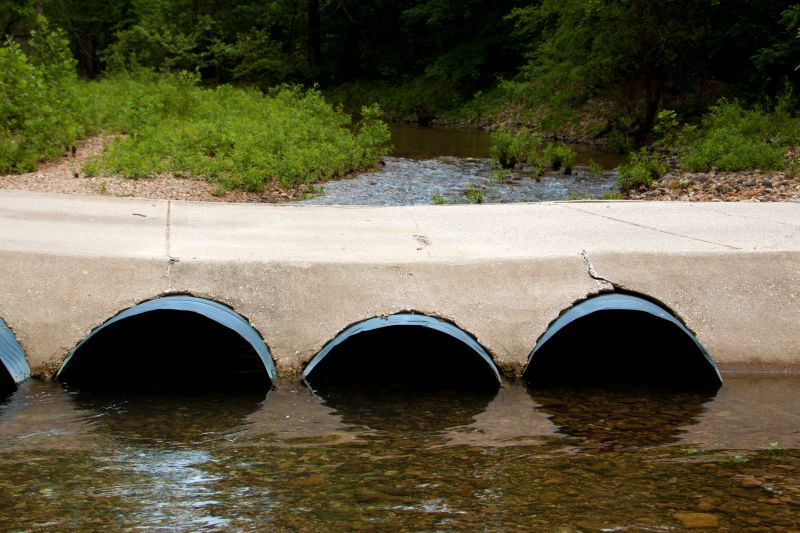
Culvert installation services are often needed by property owners in Asheville, NC, when managing drainage issues on their land or ensuring proper water flow around driveways, gardens, or construction sites. Homeowners may seek these services after heavy rains cause pooling or erosion, or when preparing a property for new development. Local contractors can provide solutions that help prevent flooding, protect landscaping, and improve overall site drainage, making outdoor spaces safer and more functional.
In addition, property owners might look for culvert installation when upgrading existing drainage systems or repairing damaged infrastructure caused by weather events or aging materials. Whether managing runoff on a hillside property or installing new culverts for access roads, local service providers can handle a variety of project situations. They can assist with ensuring that water moves efficiently through the landscape, reducing the risk of water damage and maintaining the integrity of the property’s layout.
What types of culverts do local contractors install? Local contractors typically install various culvert types, including corrugated metal, concrete, and plastic options, depending on the project's needs and site conditions.
How can I determine the right size for a culvert installation? Contractors assess factors like water flow, soil type, and site specifications to recommend the appropriate culvert size for effective drainage and durability.
What factors influence the choice of culvert material? The selection of culvert material depends on environmental conditions, load requirements, and long-term durability considerations as evaluated by local service providers.
Are there specific permits required for culvert installation in Asheville, NC? Local contractors are familiar with regional regulations and can advise on necessary permits and compliance requirements for culvert projects.
What steps are involved in the culvert installation process? The process generally includes site assessment, excavation, culvert placement, backfilling, and site restoration, handled by experienced local service providers.
Drainage Improvement - Property owners can use culvert installation to enhance drainage around their homes, preventing water buildup during heavy rains.
Driveway Protection - Installing culverts under driveways helps keep access clear and prevents erosion caused by flowing water.
Garden and Landscape Support - Culverts can be used to direct water away from garden beds and landscaped areas, reducing water damage.
Flood Prevention - Local contractors can assist in installing culverts to manage runoff and reduce the risk of flooding on residential properties.
If you are thinking about Culvert Installation for a property in Asheville, NC, this guide is meant to help you understand the work, the typical project types, and how different options might fit your plans.
When you are ready, you can use the quote form on this page to share a few details about your project. From there, local pros can review the basics and respond with options that match what you have in mind.